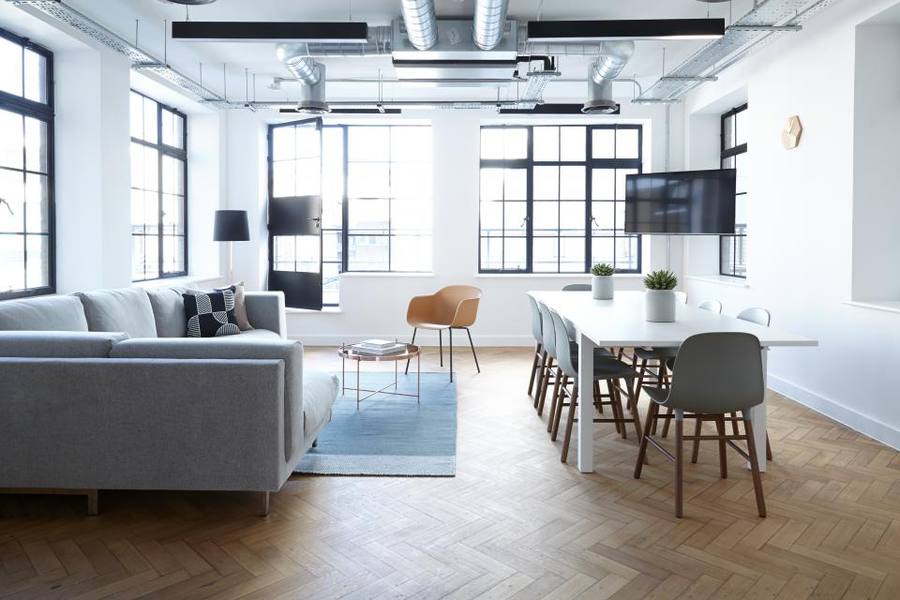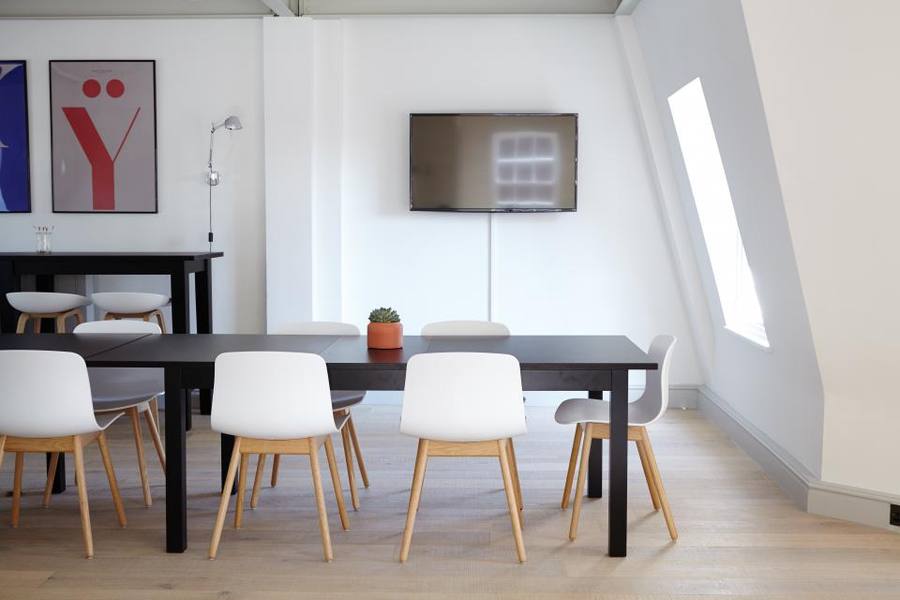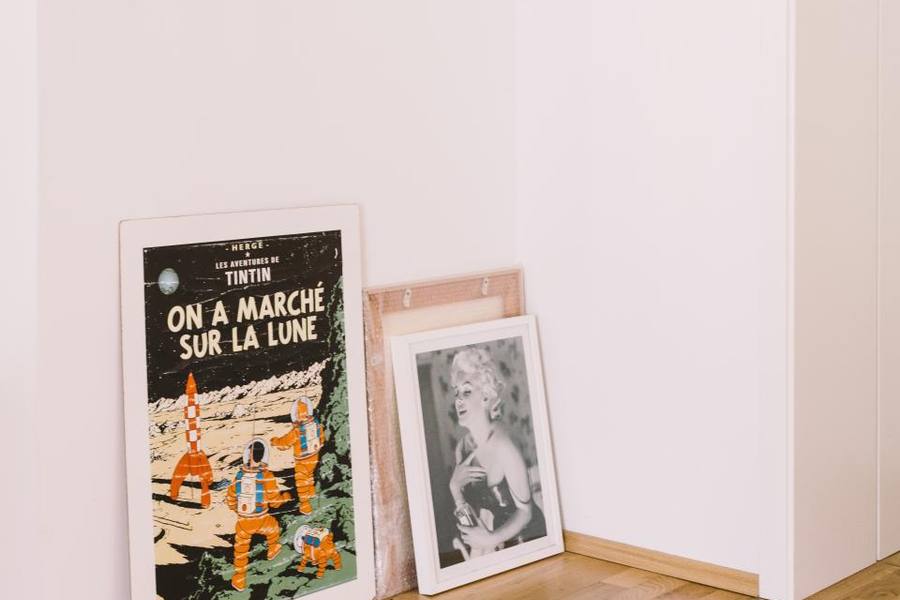
Symbolbild (Stockfoto); nicht das abgebildete Produkt.
Scale Without Weight
A large framed print with glass is heavy, expensive and difficult to hang, where a canvas of the same size is light and needs only a simple fixing.
That makes genuine scale achievable, and a single large piece frequently works better in a room than several small ones scattered across a wall.
The absence of glass also removes reflections entirely, which for a large piece opposite a window is a considerable practical advantage.
Resolution Is Where They Fail
Printing a low-resolution image at large size produces visible pixellation and softness, and the larger the canvas the higher the resolution the source needs.
A photograph from a phone may be fine at a small size and obviously poor at a metre across, which is the commonest disappointment with personalised canvases.
Checking the required resolution against the source image before ordering is what prevents it, and printers state minimum requirements for each size.
Fading And Ink Quality
Canvas prints fade in sunlight, and cheap dye-based inks fade considerably faster than pigment inks do.
A canvas on a sunlit wall can fade noticeably within a couple of years, and that fading is uneven where part of the piece catches more light.
A protective coating helps and does not eliminate it, and positioning away from direct sun is more effective than any treatment.
Stretching And Frames
Canvas is stretched over a wooden frame, and a thin or poorly seasoned frame warps, which shows as a canvas that no longer sits flat against the wall.
The depth of the frame affects appearance considerably, with a deep gallery-wrapped canvas reading as more substantial than a thin one.
Over years canvas can also slacken, and better frames include corner wedges that can be tapped in to retension it.
Edge treatment is worth choosing deliberately, with a gallery wrap continuing the image around the sides, a mirrored wrap reflecting the edge pixels, and a plain colour border. A gallery wrap loses a strip of the image to the sides, which matters if the composition has content near the edges that you would rather keep visible on the front.
Where Canvas Suits And Does Not
Canvas suits photographic and painterly images, where the texture of the weave is sympathetic to the content.
It suits graphic designs, typography and fine detail considerably less well, since the weave texture interrupts clean lines and small text.
For anything detailed or graphic, a framed paper print gives a much better result, and choosing the medium to suit the image matters.
Hanging hardware is frequently inadequate on cheap canvases, with a sawtooth hanger stapled to a thin frame being the usual arrangement and a common failure point. Fitting a proper D-ring and wire, or two fixings rather than one, both spreads the load and keeps a large canvas level over time. It takes minutes and prevents the slow rotation that makes a canvas look neglected.
The Verdict
An affordable way to achieve real scale on a wall without weight, glass or reflections, suited to photographic and painterly images.
Low-resolution sources pixellate at size, sunlight fades canvas, and thin frames warp and slacken.
Check the resolution before ordering. A phone photograph fine at postcard size is obviously poor printed a metre across.
Auf einen Blick
Vorteile
- Achieves real scale without weight or expense
- No glass, so no reflections at all
- Light enough for simple fixings
- Suits photographic and painterly images well
Nachteile
- Low-resolution images pixellate at large sizes
- Fades in sunlight, unevenly
- Thin frames warp and canvas slackens over years
- Weave texture spoils graphic designs and small text
Häufig gestellte Fragen
Will my photo print well?
Check the resolution against the printer's stated minimum for that size. A phone photograph fine at postcard size is visibly pixellated and soft printed a metre across, which is the commonest disappointment with personalised canvases.
Will it fade?
In sunlight, yes, and unevenly where part catches more light. Pigment inks fade considerably more slowly than dye-based ones, and a protective coating helps without eliminating it. Positioning away from direct sun matters most.
What does canvas suit?
Photographic and painterly images, where the weave texture is sympathetic to the content. It suits graphics, typography and fine detail poorly, since the texture interrupts clean lines — a framed paper print is far better for those.
Spezifikationen
| Type | Stretched canvas print |
| Advantage | Scale without weight or glass |
| Reflections | None |
| Critical | Source resolution for the size |
| Inks | Pigment fades far less than dye |
| Fading | Avoid direct sunlight |
| Frame | Depth affects appearance; wedges retension |
| Poor for | Graphics, typography, fine detail |
Fazit
Real scale with no weight or reflections. Check resolution before ordering, and keep it out of direct sun.
Preis auf Amazon prüfen