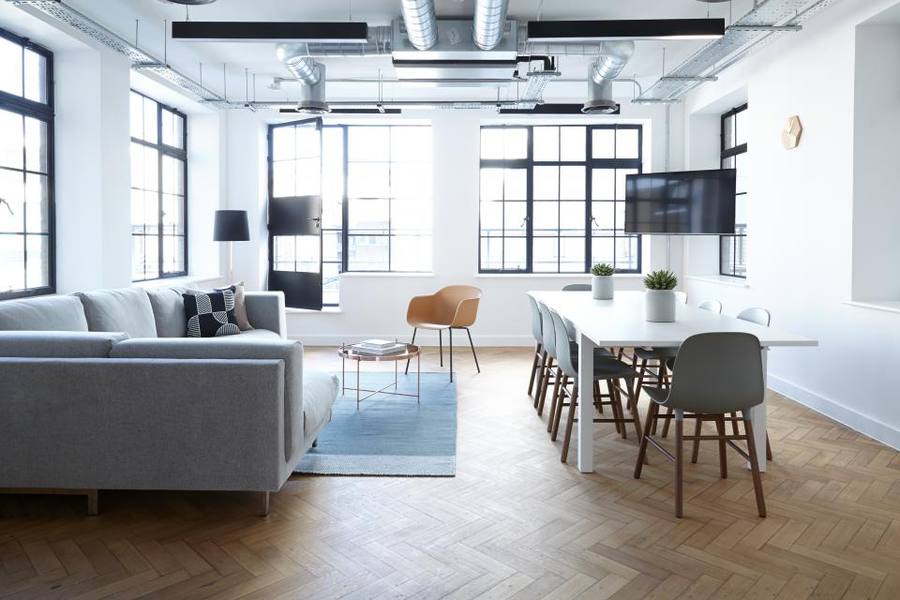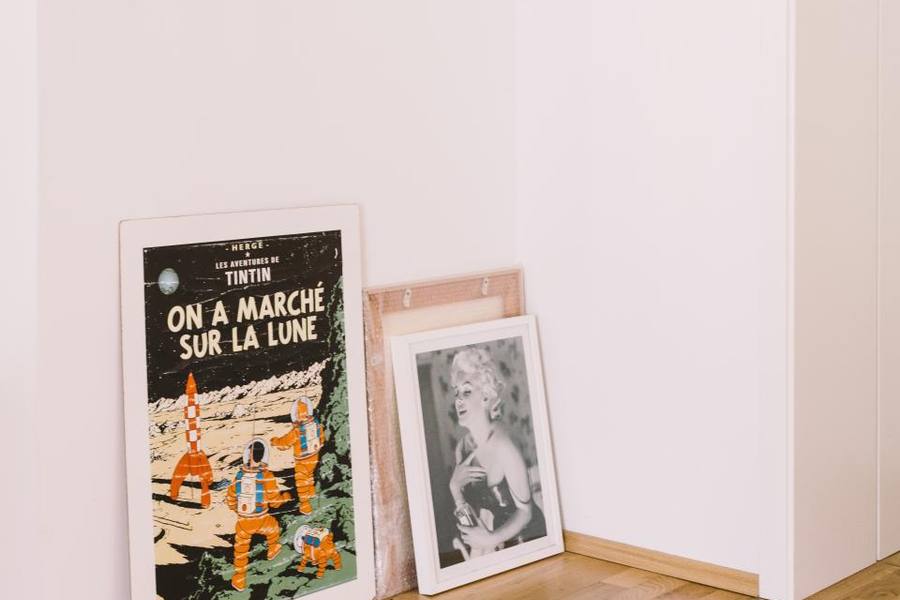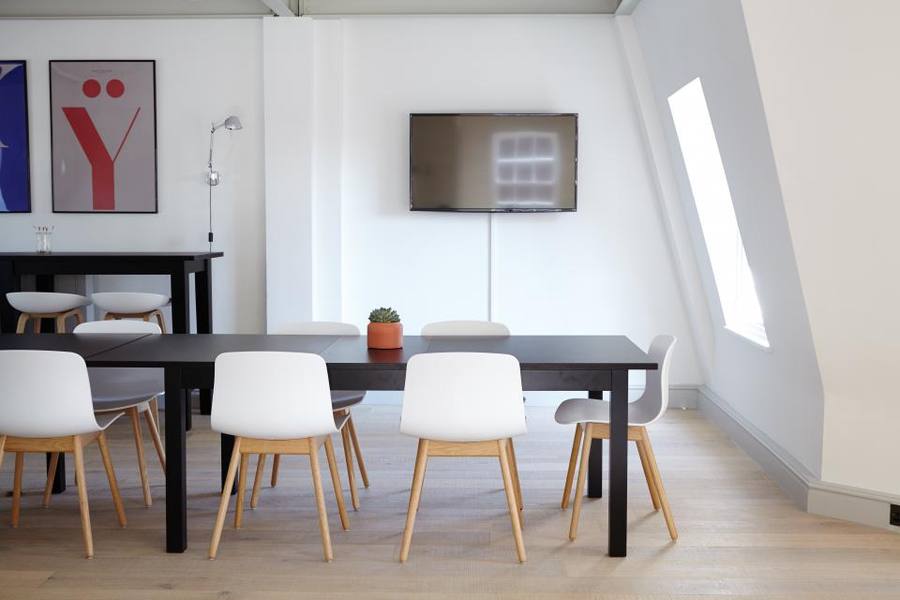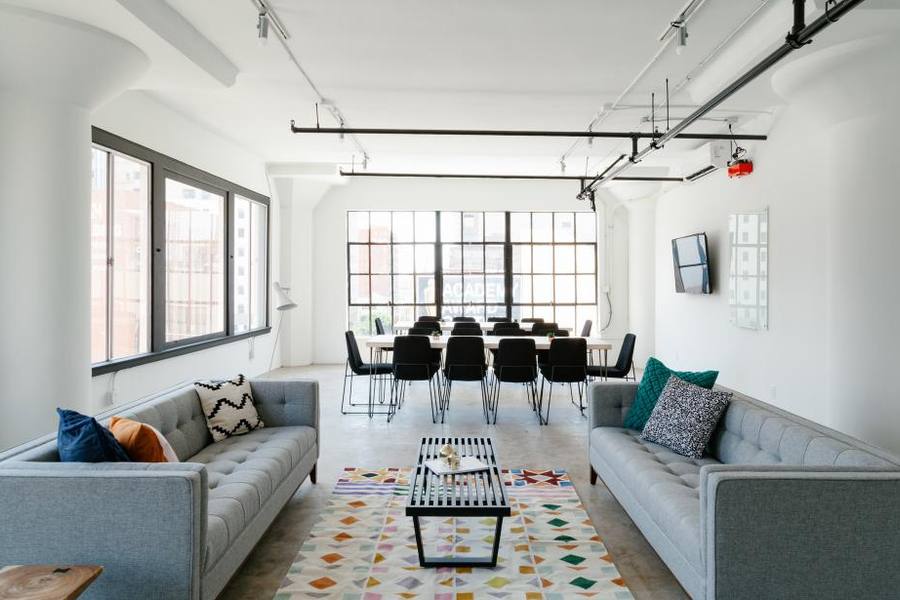
Temsili görsel (stok fotoğraf); ürünün kendisi değildir.
Paper And Print Quality
Giclée printing on heavy archival paper produces prints that hold colour for decades, where cheap poster printing on thin stock fades and yellows within years.
Paper weight is stated in grams per square metre, and heavier paper feels substantial and resists cockling inside a frame in humidity.
A print that ripples behind glass has absorbed moisture, which is a sign of thin paper and poor mounting rather than a framing fault.
Mounts And Acid
Ordinary card mounts contain acid that migrates into a print over years, producing a brown line where the mount contacts the paper.
Acid-free and conservation mounts prevent that entirely, and for anything with value beyond the decorative it is worth insisting on.
The mount should also be deep enough to hold the glass off the print surface, since a print pressed against glass can stick permanently in humidity.
Glass, Reflection And UV
Standard glass reflects, which for a print opposite a window can make it unviewable at certain times of day.
Anti-reflective glass costs considerably more and transforms how a print reads in a bright room.
UV-filtering glass slows fading meaningfully, and for a print in any daylight it does more for longevity than any other single choice.
Sunlight Fades Everything
No print survives direct sunlight indefinitely, and even with UV glass a print on a sunlit wall fades faster than one in a shaded position.
Fading is also uneven where part of a print catches more light, which produces a gradient that becomes obvious when the picture is eventually moved.
Positioning away from direct sun is more effective than any glass or coating, and it costs nothing.
Limited edition and signed prints hold value in a way open editions do not, and for anybody buying art as more than decoration the edition size and whether it is numbered are the details that determine that. Framing archivally matters considerably more for those, since a print damaged by acid mounting or moisture loses most of whatever value it carried.
Frame Choice And Proportion
A frame should support the image rather than compete with it, and an ornate frame around a simple print reads as a mismatch.
Frame width should relate to the size of the piece, with larger prints carrying wider frames comfortably and small ones looking crowded by them.
Frame colour interacts with both the image and the wall, and a frame matching the wall recedes while a contrasting one defines the piece as an object on it.
Matching frames across a group creates coherence, where deliberately mixing them requires a unifying element such as a consistent mount colour to work.
Standard sizes are worth working with rather than against, since a print in a common size can be framed inexpensively in a ready-made frame where an unusual size requires bespoke framing at several times the cost. Anybody buying prints regularly is well served by sticking to a few standard sizes, which also means frames can be reused as the pictures inside them change over the years.
The Verdict
A straightforward way to put considered art on a wall, where paper, mount and glass determine whether it still looks right in a decade.
Acid mounts stain prints, standard glass reflects, and sunlight fades everything regardless of protection.
Insist on acid-free mounts. Ordinary card leaves a brown line across a print within years and cannot be undone.
Bir bakışta
Artılar
- Archival printing holds colour for decades
- Acid-free mounts prevent staining
- UV glass meaningfully slows fading
- Anti-reflective glass transforms bright rooms
Eksiler
- Sunlight fades prints regardless of protection
- Ordinary mounts stain prints permanently
- Standard glass reflects badly opposite windows
- Thin paper cockles in humidity
Sıkça sorulan sorular
Why is there a brown line on my old print?
Acid migrating from an ordinary card mount into the paper over years. Acid-free and conservation mounts prevent it entirely, and the staining cannot be undone once it has happened.
Is anti-reflective glass worth it?
For a print opposite a window, yes — standard glass can make a picture unviewable at certain times of day. It costs considerably more and transforms how a print reads in a bright room.
How do I stop it fading?
Position it away from direct sunlight, which is more effective than any glass. UV-filtering glass slows fading meaningfully and does not prevent it, and fading is uneven where part catches more light than the rest.
Teknik Özellikler
| Print quality | Giclée on archival paper |
| Paper weight | Heavier resists cockling |
| Mount | Acid-free or conservation grade |
| Mount depth | Holds glass off the print surface |
| Standard glass | Reflects; poor opposite windows |
| Anti-reflective | Costly; transforms bright rooms |
| UV glass | Slows fading meaningfully |
| Best protection | Position away from direct sun |
Özet
Acid-free mounts and UV glass keep a print right for decades. And keep it out of direct sun, which beats both.
Amazon'da Fiyatı Kontrol Et