Woven Seagrass Storage Baskets
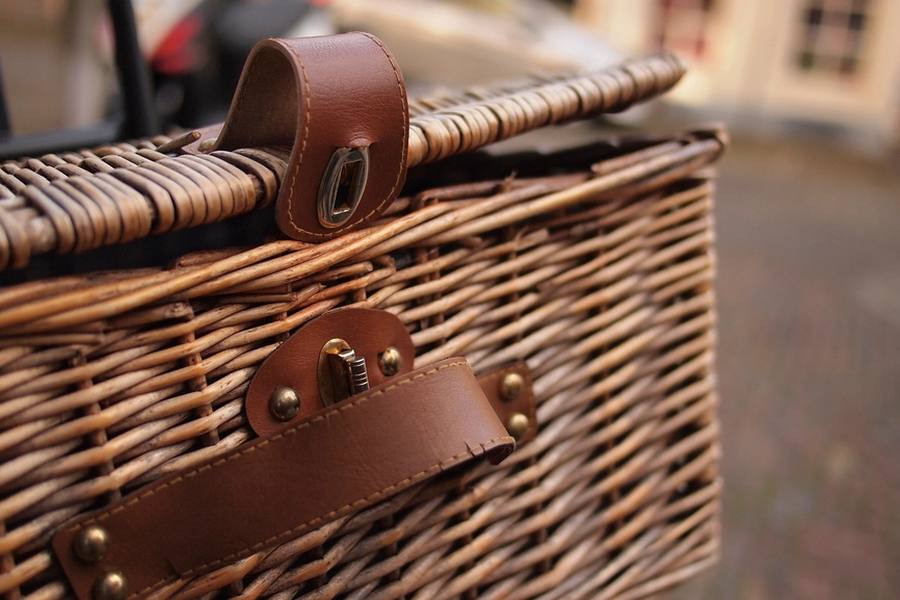
Representative image (stock photo); not the exact product.
Storage That Does Not Look Like Storage
Plastic boxes work and look like storage, which means they get hidden in cupboards and the things needing daily access end up out on surfaces instead.
A basket can sit in a living room holding throws, toys or magazines without reading as clutter, which means daily-use items have somewhere to live in the room they are used in.
That is the actual value, and it explains why baskets appear in almost every room of a tidy house while plastic boxes appear in lofts.
What Should Not Go In Them
Natural fibre baskets are not airtight, are not waterproof and are not moth-proof, which rules out several things people put in them.
Wool and natural-fibre textiles stored in an open basket are exposed to moths, and storing knitwear in one over summer is how jumpers get eaten.
Anything damp, anything that might leak, and anything needing protection from dust all belong in something sealed rather than woven.
Snagging And Rough Interiors
Woven fibre has a rough inner surface that snags fine fabrics, which means silk, knitwear and anything delicate pulls threads against it.
A fabric liner solves that entirely and also makes the basket easier to empty and clean.
Lined baskets cost more and the liner can usually be added separately, which is worth doing for anything holding textiles.
Shape And Stacking
Round baskets look better and waste space in corners and against walls, where rectangular ones fit shelving and alcoves efficiently.
Tapered baskets nest for storage when empty and hold less than their opening suggests, which catches people out when buying to fit a specific space.
Measuring the shelf or alcove and the basket base rather than its rim is what prevents a basket that does not fit where it was meant to go.
Labelling helps considerably once several baskets are in use, since identical baskets on a shelf give no indication of what is in which and everything ends up being opened.
Durability And Fibre
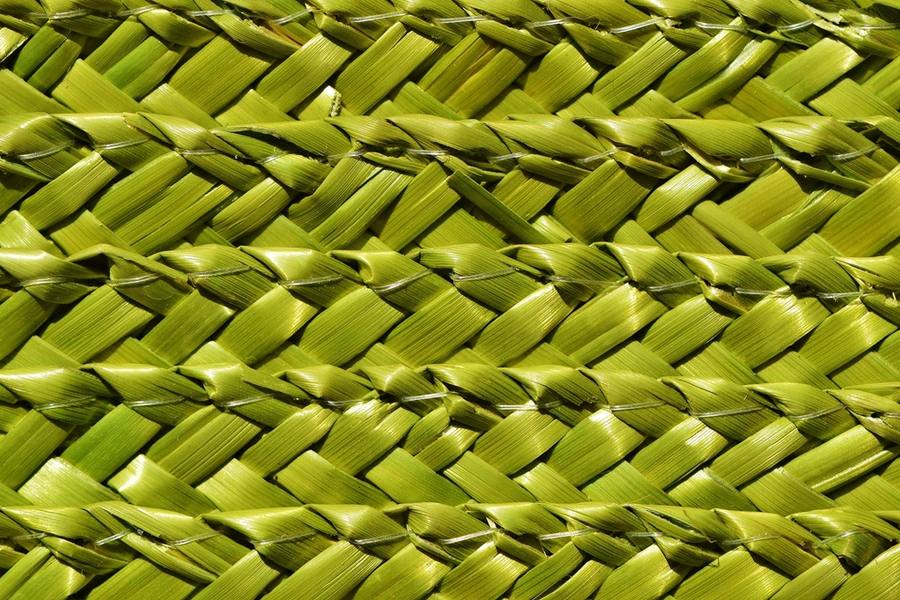
Seagrass is smooth, strong and handles humidity better than jute or water hyacinth, which makes it the more durable natural choice.
Handles are where baskets fail, since a heavy basket lifted repeatedly by a woven handle eventually pulls the weave apart.
Reinforced or leather handles last considerably longer, and lifting from the base rather than the handles extends the life of any basket.
Sizing to what actually goes in them is worth doing before buying rather than after, since a basket bought for its appearance frequently turns out to be the wrong proportions for the things it was meant to hold. Measuring a folded throw or a stack of magazines and comparing to the basket dimensions takes a moment, and a basket that is too shallow means contents protrude and defeat the tidy appearance entirely.
The Verdict
Genuinely useful storage that lives in the room rather than in a cupboard, provided nothing delicate or damp goes in it.
Rough interiors snag fabric, moths reach anything woollen inside, and handles are the usual failure point.
Never store knitwear in one over summer. An open basket offers no protection from moths, and that is how jumpers get eaten.
At a glance
Pros
- Storage that can live in a living room without reading as clutter
- Seagrass handles humidity better than jute
- Liners prevent snagging and make emptying easier
- Rectangular shapes fit shelving efficiently
Cons
- No protection from moths, dust or damp
- Rough interiors snag delicate fabrics
- Woven handles pull apart under weight
- Tapered shapes hold less than the rim suggests
Frequently asked questions
Can I store jumpers in one?
Not over summer. An open natural basket offers no protection from moths, and stored knitwear in one is how jumpers get eaten. Wool needs a sealed container, stored clean, since moths are drawn to residues.
Why do my clothes snag on it?
Woven fibre has a rough inner surface that catches fine fabrics. A fabric liner solves it entirely and makes the basket easier to empty and clean, and liners can usually be bought separately for an unlined basket.
How do I measure for a shelf?
Measure the base rather than the rim, since tapered baskets are considerably narrower at the bottom than at the top. Rectangular shapes also fit shelving and alcoves far more efficiently than round ones do.
Specifications
| Material | Seagrass; more durable than jute |
| Purpose | Visible storage in living spaces |
| Never store | Knitwear over summer; moths reach it |
| Also avoid | Damp items and anything that leaks |
| Liner | Prevents snagging; worth adding |
| Shape | Rectangular fits shelving; round wastes corners |
| Measuring | Base, not rim |
| Weak point | Woven handles under load |
The bottom line
Storage that can live in the room rather than a cupboard. Never put knitwear in one over summer — moths get in.
Check Price on Amazon